Smart Thermal Comfort Provision
Digital-twin tools for benchmarking, guiding and controlling comfort and energy in smart buildings
Heating, ventilation and air conditioning accounts for roughly 40–60% of a building’s energy use, yet the reason to run it at all is the comfort of the people inside. Pervasive and mobile computing makes it possible to sense individual thermal sensations and manage HVAC around them, but evaluating such systems is hard: real-world experiments are expensive, slow, privacy-sensitive and rarely cover the diversity of occupants and climates, while simulations have to be shown to reflect reality.
This project builds Digital Twin (DT) based tools for the whole loop: a benchmark for comparing thermal-comfort provisioning strategies under realistic conditions, systems that use the twin to guide occupants and to adapt building control at run time, and planning methods that schedule HVAC together with the building’s other energy systems.
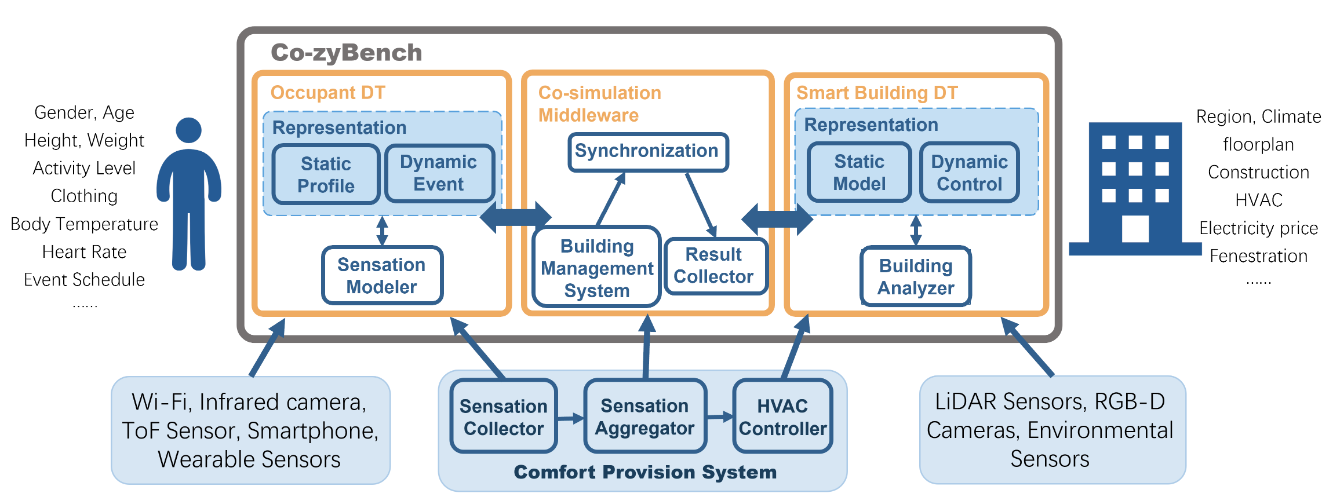
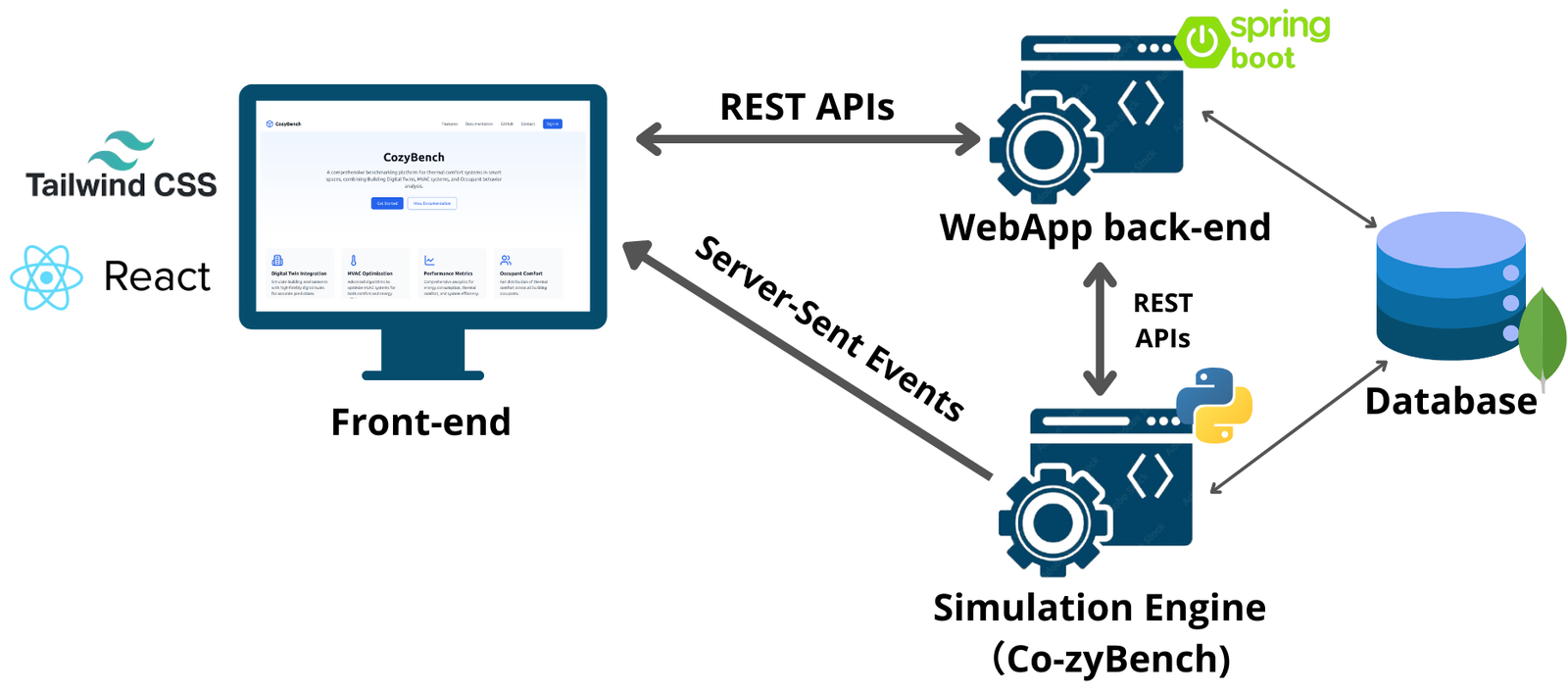
Co-zyBench — benchmarking thermal comfort provision
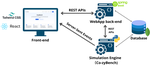
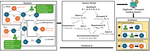
Co-zyBench couples a Digital Twin of a building and its HVAC system with a second Digital Twin of the occupants' dynamic thermal preferences, connected through a co-simulation middleware, and reports energy-consumption, thermal-comfort and occupant-equity metrics for whatever control strategy is under test. It ships reference twins for standard buildings, HVAC configurations and occupant profiles, and can generate twins from a real building’s architectural model, sensor readings and thermal-sensation data. Web-CozyBench puts it behind a web GUI so strategies can be compared without simulation expertise.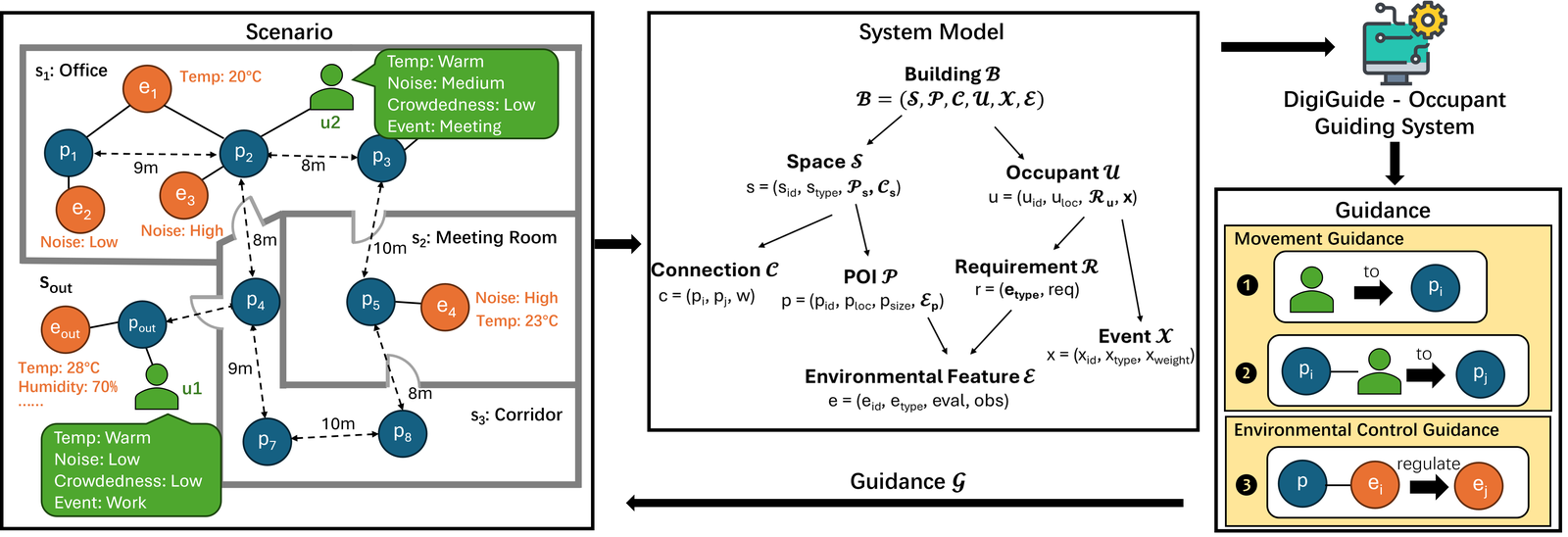
DigiGuide — guiding occupants to comfortable, efficient spaces
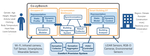
DigiGuide turns the twin around: instead of controlling the building, it forecasts indoor conditions and occupant state in real time and uses a genetic algorithm to guide people to the spaces that best balance their comfort needs against energy use. In two large-scale scenarios (a co-working open space and an airport) it achieved 18.2% lower discomfort with 8.6% lower energy consumption than baseline approaches.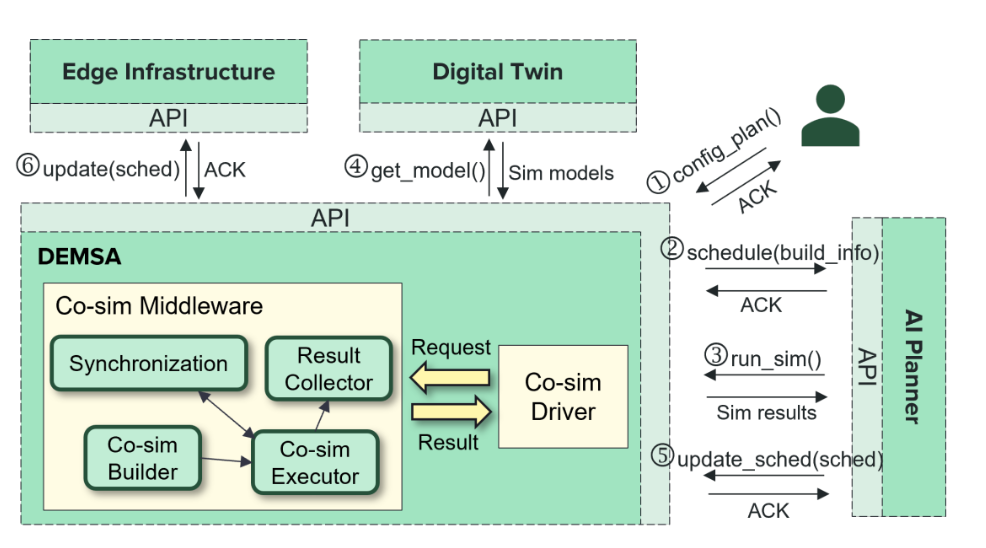
DEMSA and AI planning — self-adaptive building control
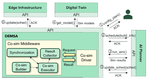
DEMSA is a Digital-Twin-enabled middleware that coordinates a building’s edge server, its twin and AI-planning nodes so HVAC strategies adapt as occupants change, with a self-adaptive check that detects and corrects anomalous plans. The ICT4S work generalises the planning side: AI planning schedules HVAC, lighting and plug loads together, decoupling domain knowledge from the problem representation so the approach ports across buildings — up to 30% energy reduction in a smart-office evaluation.Highlights
- Co-zyBench: a digital-twin benchmark for comparing thermal-comfort provisioning strategies, with energy, comfort and occupant-equity metrics
- DigiGuide: real-time guidance of occupants to spaces that balance their comfort against energy use (18.2% less discomfort, 8.6% less energy)
- DEMSA and AI planning: self-adaptive building control that schedules HVAC, lighting and plug loads together (up to 30% energy reduction)
Team
-
 Jun MaPh.D Student, Telecom SudParis, France
-
 Georgios BouloukakisAssistant Professor, University of Patras, Greece
-
 Roberto YusAssistant Professor, University of Maryland, Baltimore County
- Dimitrije Panic
- Houssam Hajj Hassan
- Ajay Kattepur
- Aziz Boubaker
- Sabrine Azaiez
- Denis Conan

Roberto Yus
Assistant Professor
My research interests include Data Management, Knowledge Representation, the Internet of Things, and Privacy.